Florida's climate is hard on flooring in ways homeowners from up north do not always expect. High humidity, wet feet from the pool, tracked-in rain, and the occasional plumbing surprise all test a floor. Choosing the best flooring for Florida humidity is less about picking one "winner" and more about matching the right material to each room. Here is how the main options actually perform in our climate.
Luxury vinyl plank (LVP): the all-rounder
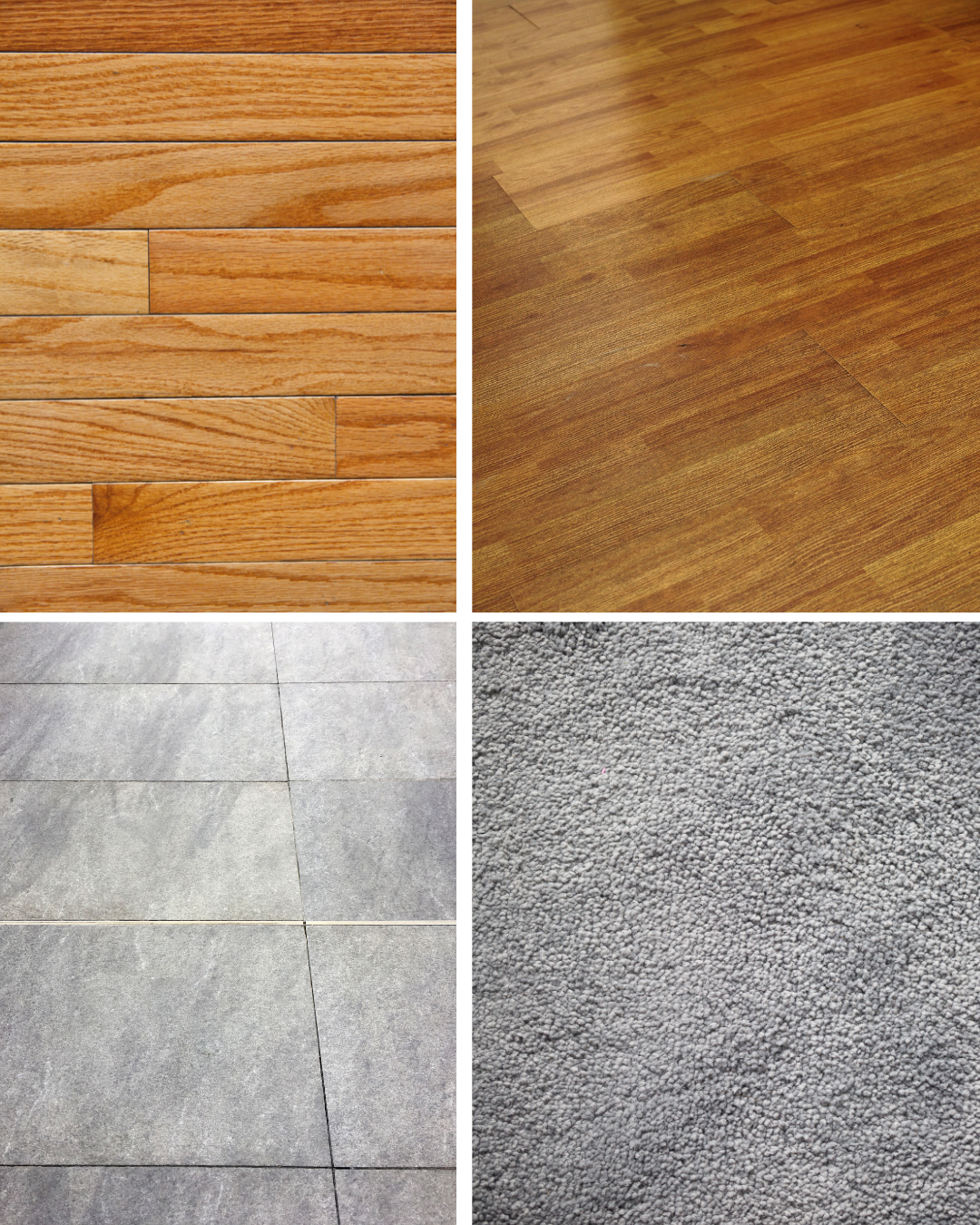
LVP has become the default choice across Tampa Bay for good reason. A quality plank has a 100% waterproof core, so humidity, spills, and wet feet do not faze it. It is warmer and softer underfoot than tile, quieter to walk on, and it convincingly mimics wood. It works nearly anywhere in the house, including kitchens, baths, and living areas. If you want one floor for most of the home that simply does not worry about moisture, luxury vinyl plank is usually the answer.
Porcelain tile and stone: the longevity choice
Tile is the most moisture-proof floor there is. Once porcelain is set and grouted it is impervious, and it stays cool underfoot, which many Floridians actually prefer. It is the natural pick for bathrooms, showers, entries, and anywhere water shows up regularly, and it lasts for decades. The trade-offs are a harder, cooler surface and a higher installed cost, since tile needs a flat, crack-isolated substrate and more labor to set well. Our tile and stone installs are moisture-tested and prepped for exactly this reason.
Hardwood: beautiful, but be strategic
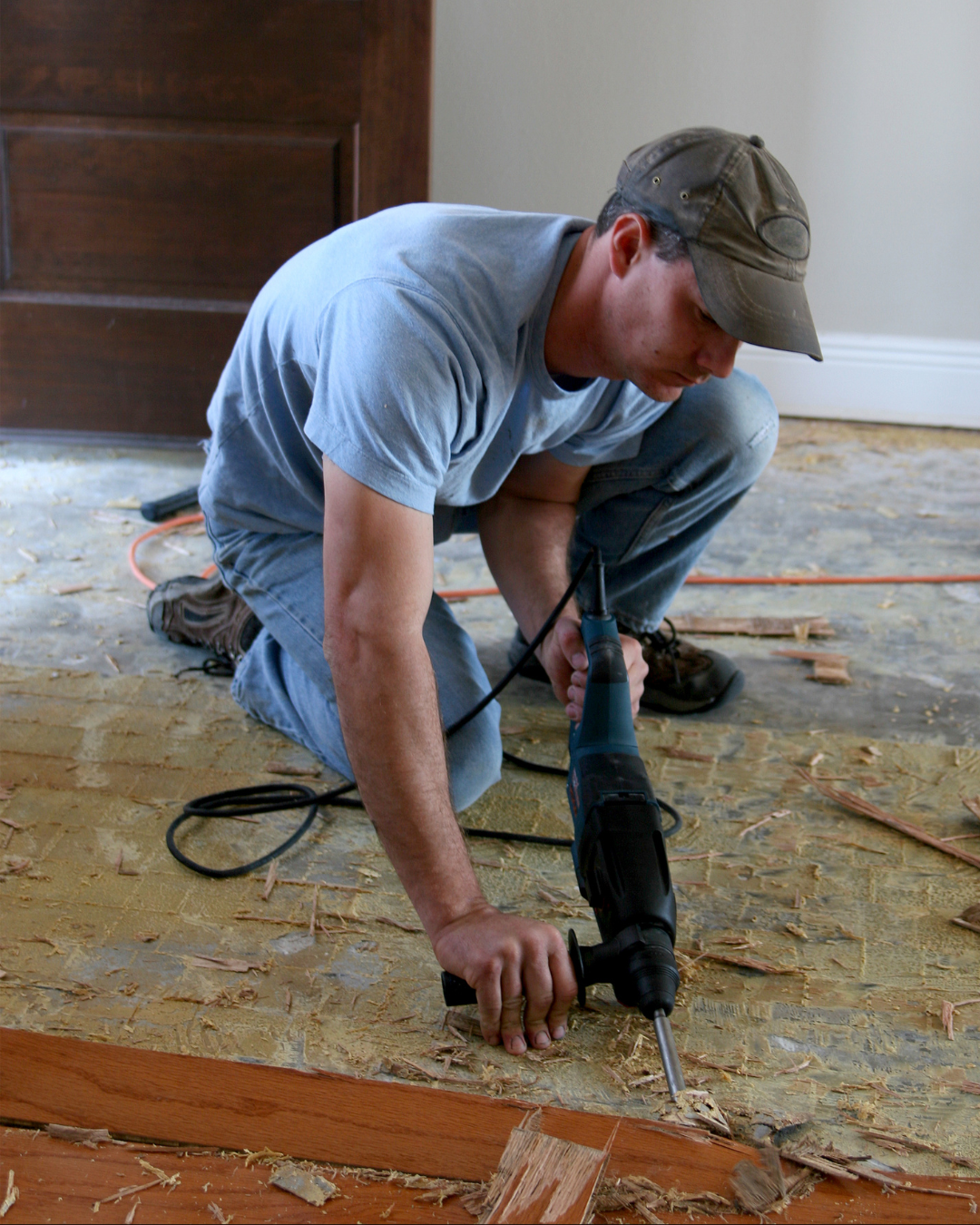
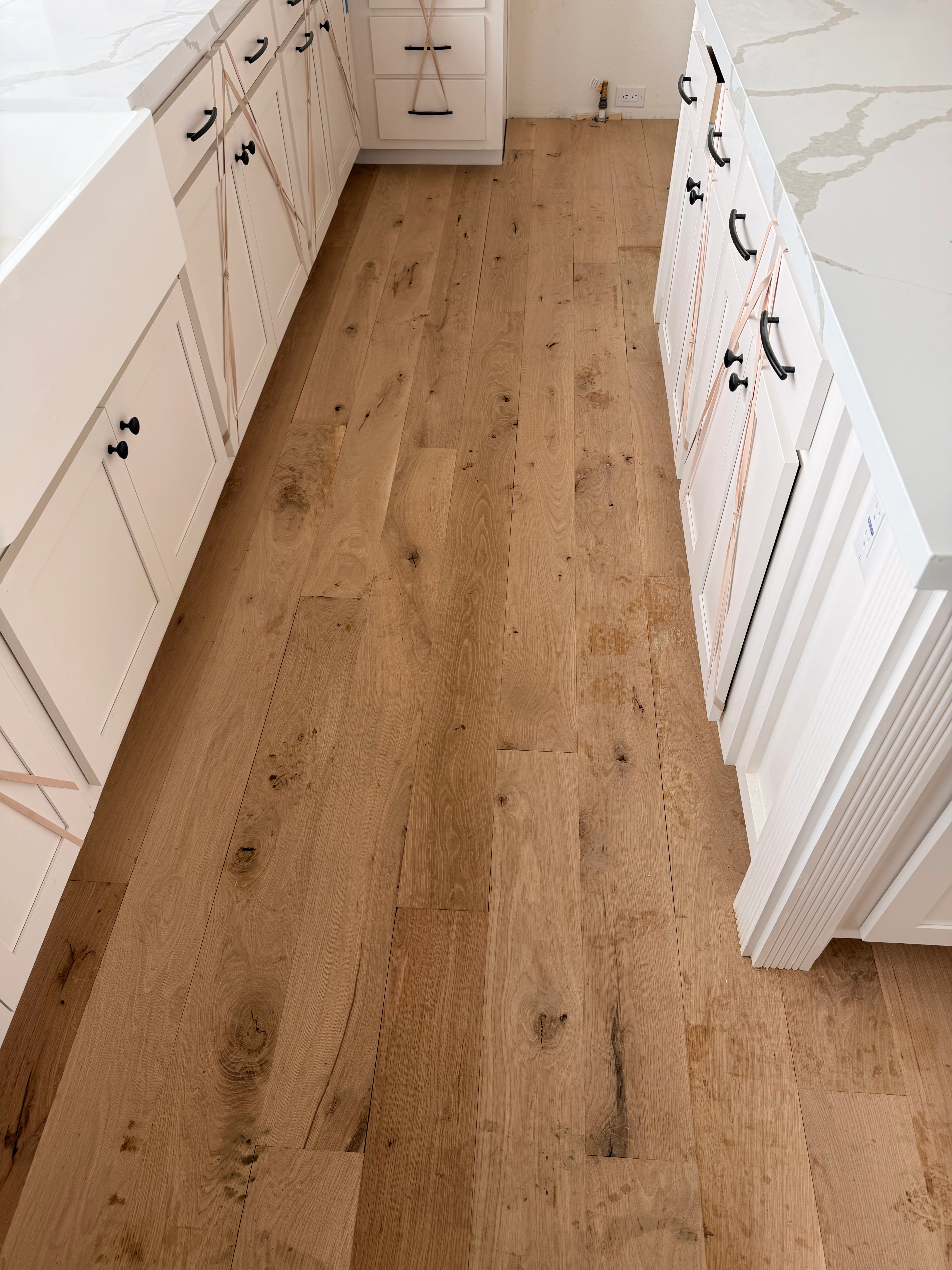
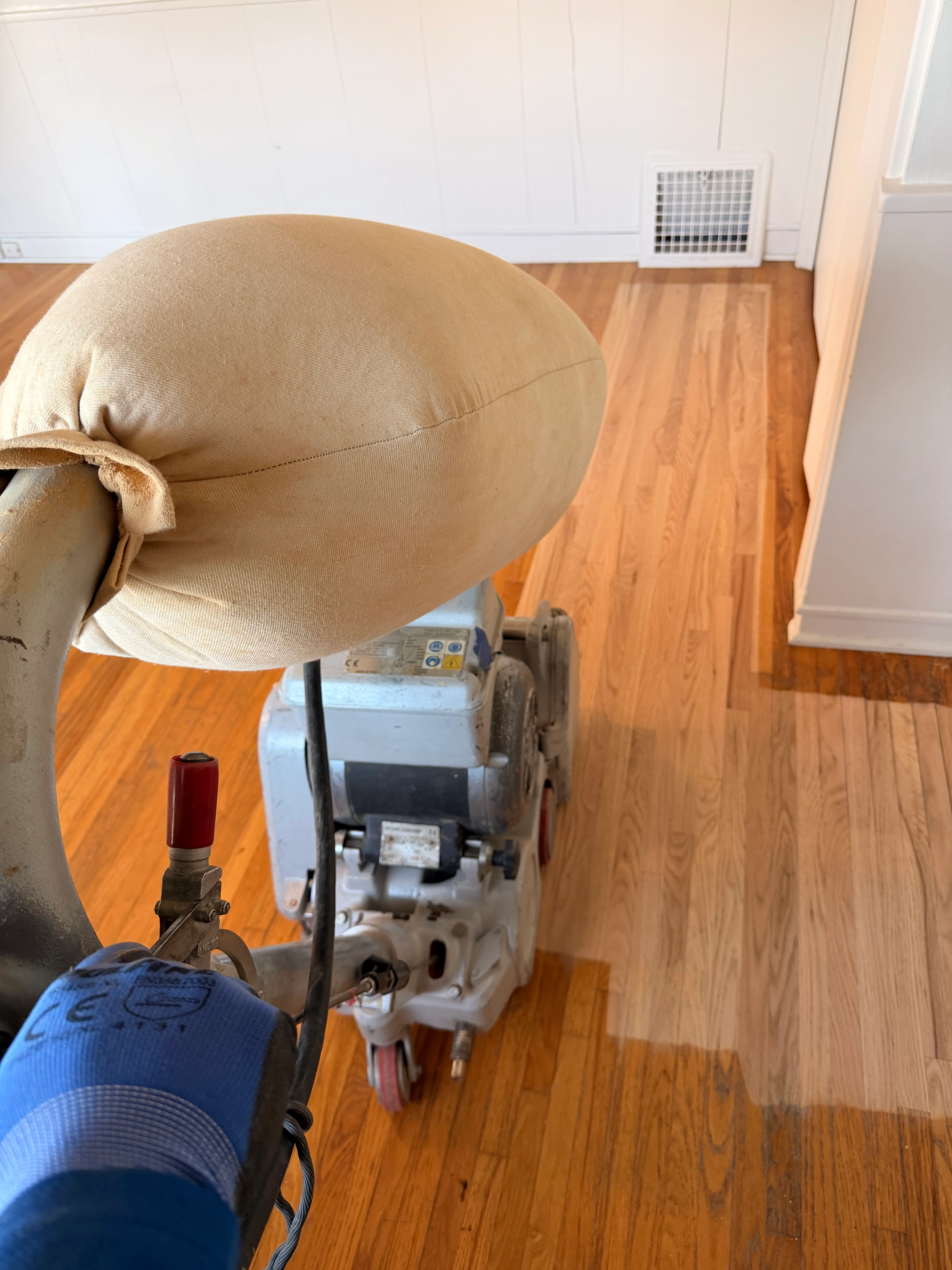
Real wood is still the look many homeowners want, and you can have it in Florida, you just have to be smart about it. Humidity makes solid wood expand and contract, so engineered hardwood, which is more dimensionally stable, is often the better bet here. Wood also needs to acclimate in your home before installation and does best where indoor humidity stays controlled. We would steer you away from solid hardwood in a bathroom or a Florida room, but in conditioned living areas and bedrooms it can be a gorgeous, lasting floor. See our hardwood flooring service for where it fits.
Laminate: value with limits
Modern laminate looks great and costs less than many alternatives, and water-resistant lines have improved a lot. But most laminate has a wood-fiber core, so standing water is still its weakness. It is a solid value in dry bedrooms and living areas; for wet-prone rooms, LVP or tile is the safer call.
Carpet: keep it out of the wet zones
Carpet still has a place in Florida, in dry, air-conditioned bedrooms where softness and warmth are welcome. What it should not do is live near moisture. Bathrooms, entries, and anywhere prone to dampness are jobs for a waterproof floor.
A room-by-room cheat sheet
- Bathrooms and showers: tile and stone, purpose-built for water.
- Kitchens and living areas: LVP or tile, both handle spills and traffic.
- Bedrooms: LVP, engineered hardwood, or carpet in conditioned space.
- Entries and Florida rooms: tile or LVP, where moisture and grit come in.
Still deciding between two floors?
If you have narrowed it to LVP versus tile, our detailed comparison of LVP vs. tile in Florida homes walks through cost, comfort, and resale. And on every free in-home visit we bring physical samples and lay them down in your actual light, so you can see how each performs where it will live. Book a free in-home estimate and we will help you match the right floor to every room.